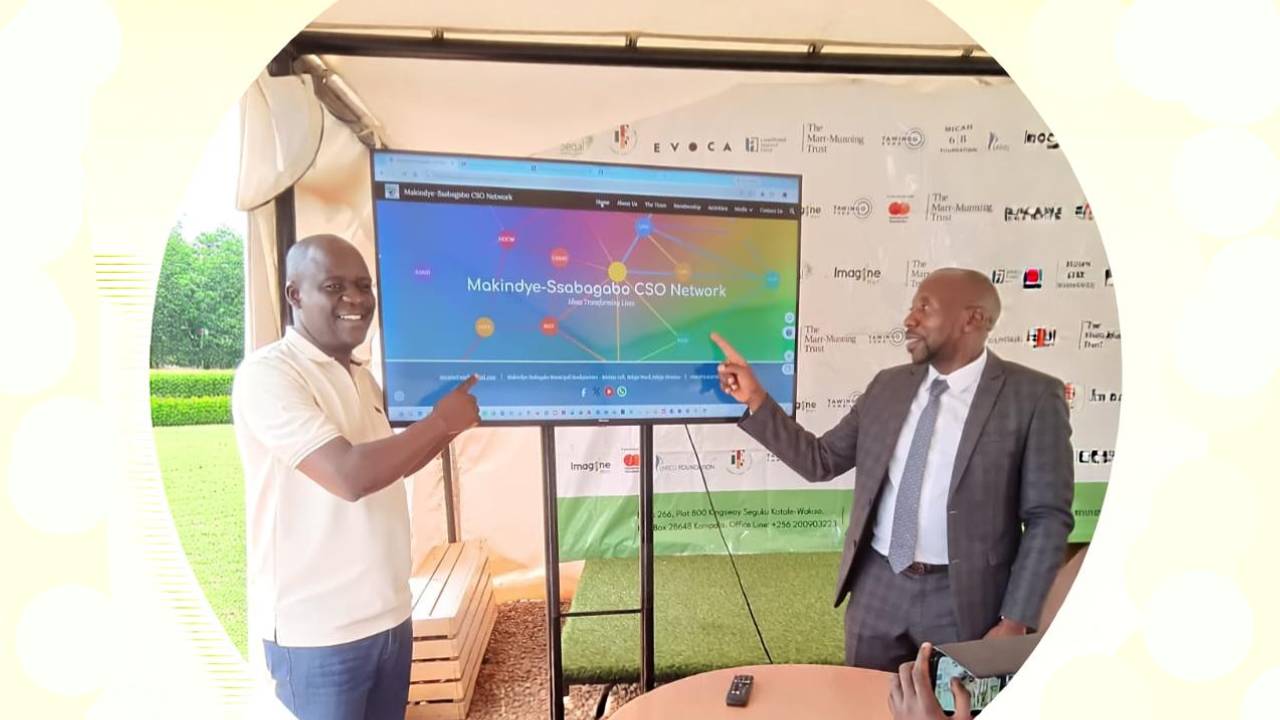

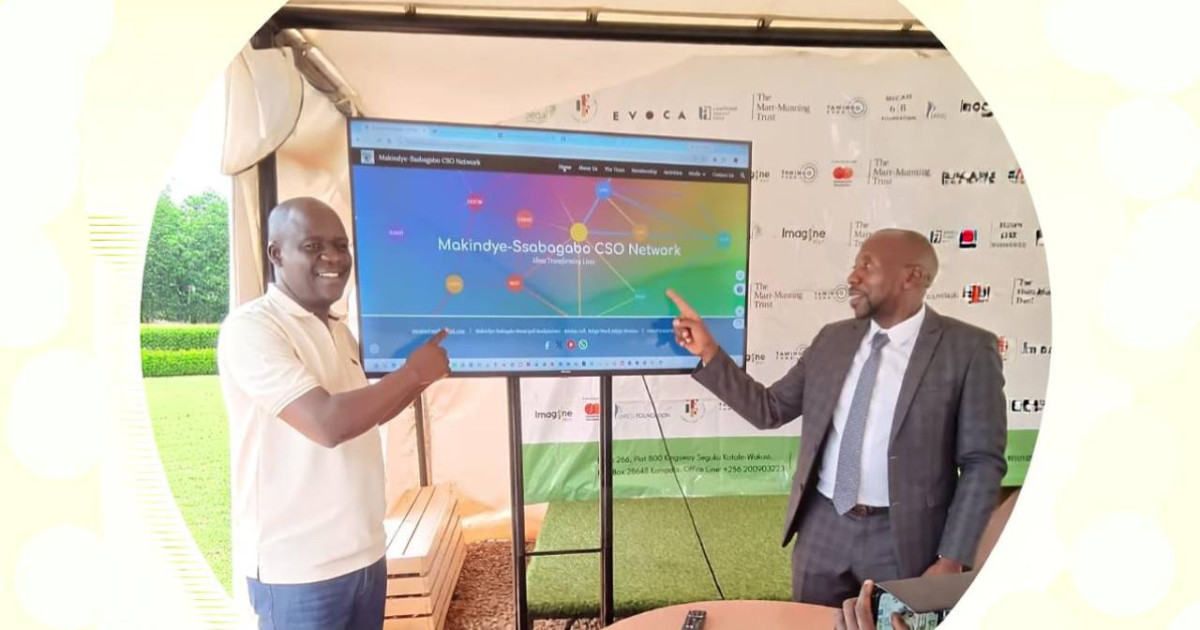
The Makindye-Ssabagabo Civil Society Organisations (CSO) Network has officially launched its website, marking an important step towards strengthening collaboration, improving visibility and connecting organisations working to advance community development within the municipality.
The website was launched on 7 October 2026 at the offices of Imagine Her, located at Block 266, Plot 800, Kingsway, Seguku Katale, Wakiso District. The event was officiated by Hon. David Sserukenya, Member of Parliament representing the area, who joined civil society representatives and other stakeholders in recognising the importance of information-sharing and coordinated development.
The launch brought together representatives of civil society organisations (CSOs), which play an important role in addressing social and economic challenges, supporting vulnerable communities and complementing government development initiatives.
What Are CSOs and Why Do They Matter?
Civil Society Organisations (CSOs) are non-governmental groups formed to address social, economic and community needs. They include non-governmental organisations, community-based organisations, youth and women's groups, faith-based organisations and advocacy groups.
In Makindye Ssabagabo, these organisations contribute to youth empowerment, education, healthcare, environmental protection, poverty reduction, women's empowerment and support for vulnerable communities.
Their contribution becomes even more valuable when they coordinate with local leaders, government institutions and development partners to address shared challenges, minimise duplication of interventions and make better use of available resources.
The importance of civil society becomes clearer when viewed through the everyday challenges and opportunities facing residents.
1. Empowering young people
Youth-focused organisations can provide vocational training, entrepreneurship support, mentorship, leadership development and other opportunities that help young people acquire skills, become economically productive and participate meaningfully in community affairs.
2. Improving health and social welfare
CSOs can support health awareness campaigns, sanitation initiatives, maternal and child welfare, community outreach and assistance for vulnerable households. Their work can complement public services and help reach communities that might otherwise be underserved.
3. Promoting education and skills development
Organisations can support learners, promote adult literacy, provide educational resources, offer scholarships and help young people develop practical skills for employment and entrepreneurship.
4. Supporting women and protecting vulnerable groups
Women's organisations and community-based groups can advance economic empowerment, leadership participation, child protection, disability inclusion and support for older persons and other vulnerable members of society.
5. Promoting accountability and citizen participation
Civil society can provide channels through which residents express their concerns, participate in community discussions and engage with public institutions. Through constructive advocacy and civic education, CSOs can contribute to more transparent, responsive and accountable governance.
6. Protecting the environment
Environmental organisations can mobilise communities around waste management, sanitation, tree planting, wetland protection and responsible use of natural resources, helping safeguard the municipality for future generations.
7. Mobilising resources and creating partnerships
CSOs can connect communities with development partners, donors, technical experts and other organisations. When their work is properly documented and accessible, it becomes easier to identify shared priorities and explore opportunities for support.
These contributions demonstrate why civil society should be viewed not as a collection of isolated organisations, but as an important component of the wider development ecosystem of Makindye Ssabagabo.
Ending Duplication and Identifying Development Gaps
One of the most promising aspects of the new website is its potential to improve coordination.
Without reliable information, several organisations may unknowingly implement similar interventions in the same communities while other areas receive limited attention. Some organisations may have the expertise needed to address an emerging problem but lack the connections required to reach the affected communities.
A well-maintained CSO database can help stakeholders identify these patterns, understand who is doing what and explore opportunities to coordinate their efforts.
As Mr. Sseruwagi explains, making information accessible can strengthen coordination between civil society, government institutions and development partners; facilitate partnerships; reduce duplication of interventions; and help stakeholders identify service delivery gaps and opportunities for collaboration.
The platform could consequently support development planning, stakeholder mapping and evidence-based decision-making at the municipal level.
For leaders, planners and development partners, this information can provide a stronger foundation for engaging relevant organisations and directing attention towards areas where additional interventions may be needed.
However, the platform's long-term value will depend on regular updates, accurate organisational profiles, active participation by CSOs and the willingness of stakeholders to use the information to guide practical action.
The Makindye Ssabagabo CSO Network Website: Connecting Organisations, Communities and Opportunities
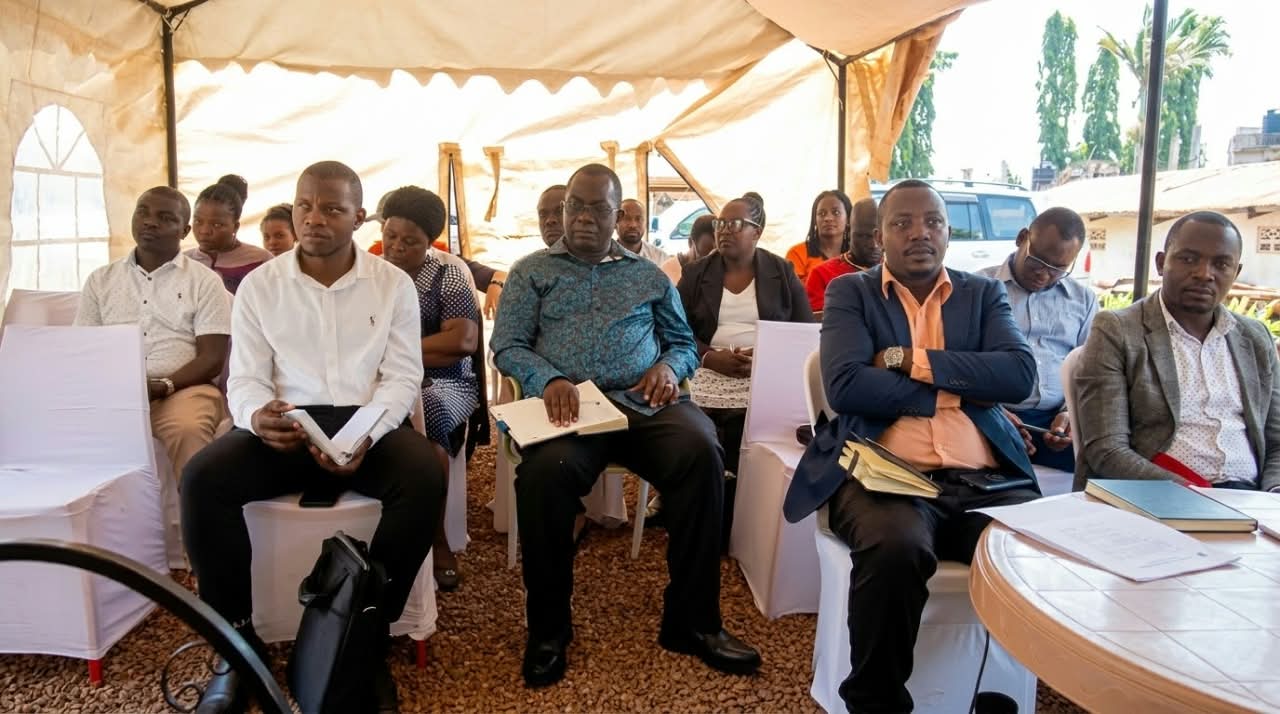
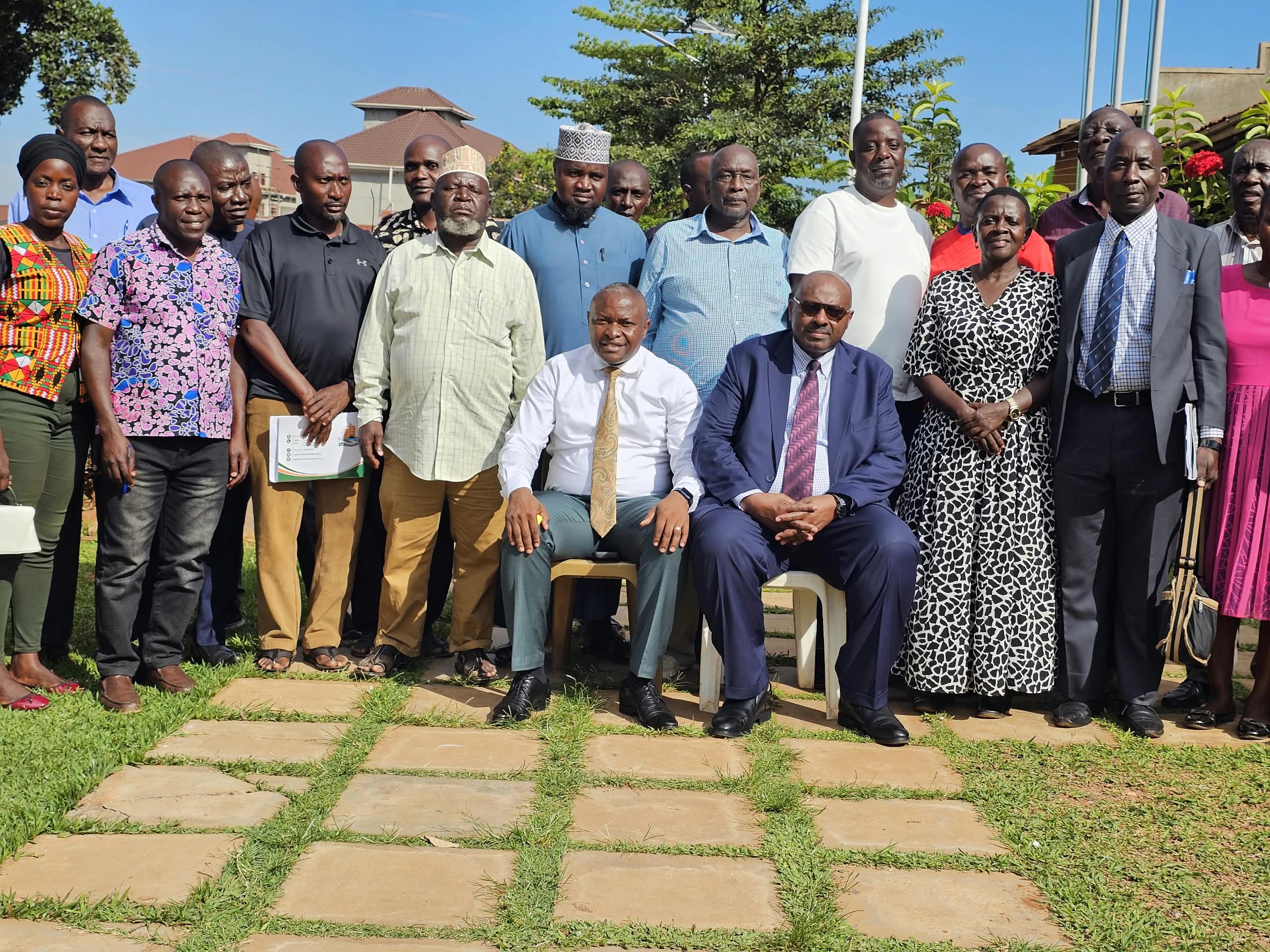
Makindye Ssabagabo CSO Nework Website Launch Attendees
For many communities, one of the greatest obstacles to effective development is not necessarily the absence of organisations willing to help, but the difficulty of knowing which organisations exist, what they do, where they work and whom they serve.
An organisation operating in one part of the municipality may be unaware that another organisation elsewhere has expertise, resources or programmes that could complement its work. Government institutions and development partners may also struggle to identify organisations working in particular sectors or communities.
The Makindye-Ssabagabo CSO Network website seeks to address this information gap by establishing a central platform where stakeholders can find information about civil society organisations operating within the municipality.
According to Mr. Patrick M. Sseruwagi, Chairman of the Makindye-Ssabagabo CSO Network, some organisations have already been profiled on the platform, and the network continues to expand its database. The network aims to have at least 90 per cent of CSOs in Makindye-Ssabagabo represented on the platform by the end of 2026.
This target reflects an ambition to create a more comprehensive picture of the municipality's civil society landscape, helping stakeholders better understand the organisations contributing to local development.
Beyond providing visibility, the website could become a valuable resource for identifying potential partners, mapping community interventions, sharing opportunities and understanding where development needs remain insufficiently addressed. By making organisational information easier to access, the platform seeks to encourage collaboration and help connect community needs with available expertise and resources.
Imagine Her's Role in Empowering Communities
The launch took place at the offices of Imagine Her (I-HER), a Ugandan non-profit organisation that empowers young women and young people through social entrepreneurship, mentorship and the development of sustainable ventures.
Its work reflects the wider contribution of civil society organisations in equipping individuals and communities with skills, opportunities and support to improve their livelihoods.
Recognising the Leadership Behind the Network
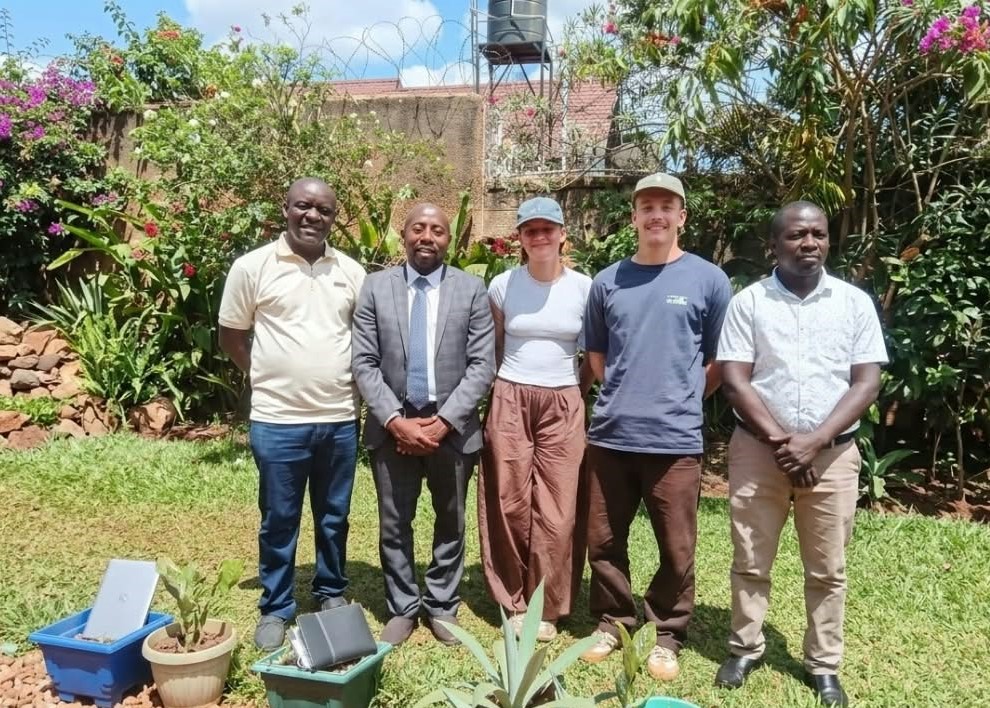
Development partners
The development of the CSO Network and its website reflects the leadership and coordination of its executive committee, chaired by Mr. Patrick M. Sseruwagi.
A journalist by training, a retired educationist and a social worker, Mr. Sseruwagi also holds an Advanced Diploma in Pastoral Leadership. He is the founder and team leader of Love Alive Uganda (LAU). His experience in education and community service informs his involvement in initiatives aimed at strengthening cooperation among organisations serving the public.
The network's executive committee comprises:
- Patrick M. Sseruwagi — Chairman
- Rose Kiwanuka — Vice Chairperson
- Angella Nassali — Secretary
- Mahad Kawuma — Publicity Secretary
- Jackline Batamuriza — Treasurer
- Daniel Kabonge — Executive Member
Through its leadership and collective efforts, the network seeks to strengthen connections among organisations and promote a more coordinated approach to community development in Makindye-Ssabagabo.
Civil Society Organisations That Attended the Launch
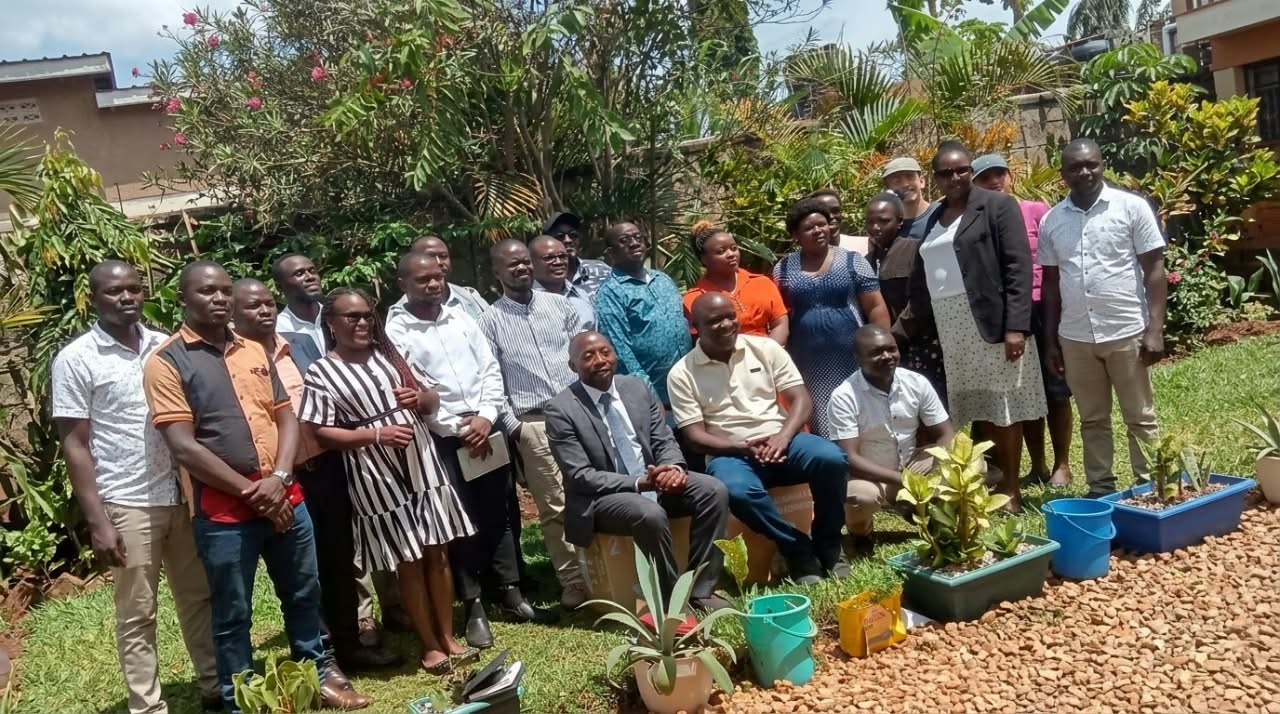
Mr Sseruwagi - CSO Network chairperson, Hon Sserukenya and some of the CSOs Representative
The event brought together representatives of the following organisations:
- HOCW
- Potter’s Heart Child Foundation (PHCF)
- Love Alive Uganda (LAU)
- Lweza Community Health Program (LCHP)
- Change African Child International (CACI)
- Health & Education Rectitude Foundation (HERF)
- Cancer Disability Advocacy Centre (CADAC)
- Kanzi Crafts Uganda
- Imagine Her (I-HER)
- Holistic Empowerment of the Less Privileged (HELP)
- Journey Worthy Walking Foundation (JWWF)
- Yolesa Jesus International Ministries (YJIM)
- Deborah Ricciu Espandere Orizzonti (DREO)
- World Light Charity Foundation
- Hanaweza
- H3
- Liones Heart Foundation
- Journey Worth Walking
- Growth Network
- Life Back Ministries
Their participation demonstrated the range of organisations involved in community service and the importance of creating opportunities for them to connect, share experiences and explore areas of common interest.
A Step Towards More Connected Community Development
The launch of the Makindye-Ssabagabo CSO Network website represents an important step towards improving access to information about civil society work in the municipality.
As the platform grows, its success will depend on the participation of more organisations, regular updates to their profiles and the willingness of stakeholders to use the information to build meaningful partnerships.
With the leadership of its executive committee, the participation of CSOs and the support of local stakeholders, the network aims to create a stronger, more connected civil society community — one in which organisations are easier to identify, opportunities are easier to share and collective efforts can contribute more effectively to the development of Makindye-Ssabagabo.
Why It Matters
The importance of civil society becomes clearer when viewed through the everyday challenges and opportunities facing residents.
Grow Your Business With Us
List your business on Makindye Ssabagabo Community and reach more customers today.
Making information accessible can strengthen coordination between civil society, government institutions and development partners; facilitate partnerships; reduce duplication of interventions; and help stakeholders identify service delivery gaps.


No comments yet. Be the first!