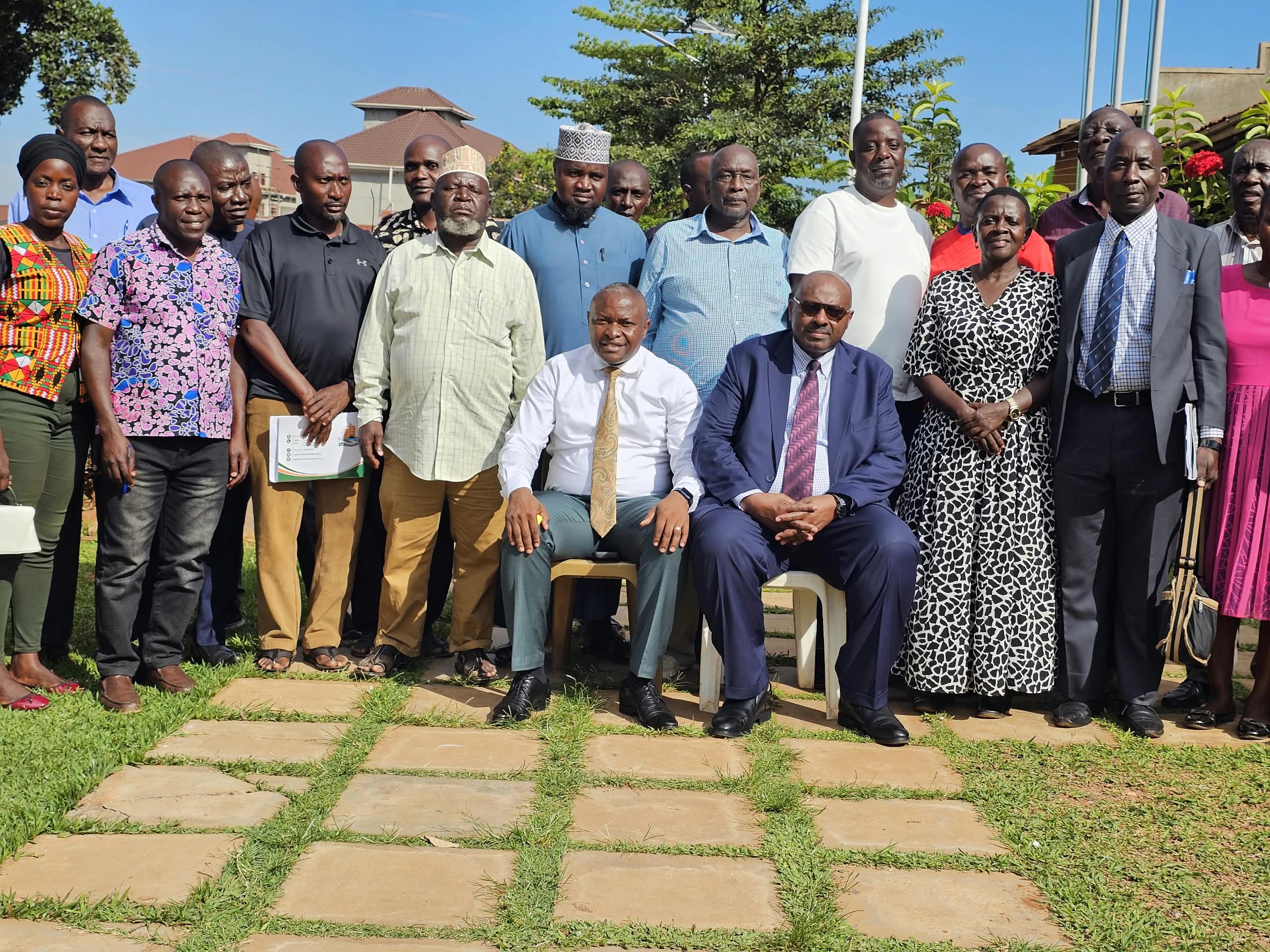

Makindye Ssabagabo Municipal Council has concluded a two-day induction workshop for Local Council I (LC1) and Local Council II (LC2) leaders, providing a platform for grassroots leaders to strengthen their understanding of constitutional responsibilities while raising challenges affecting their ability to serve their communities effectively.
The workshop, held at the Municipal Council headquarters from October 13 to 14, 2026, brought together village and parish-level leaders for discussions on leadership, development, the rule of law, government programmes, local council courts, oversight and service delivery.
A key message throughout the training was that local council leaders must perform their duties in accordance with the Constitution of the Republic of Uganda and other applicable laws. However, the discussions also highlighted the financial, administrative and institutional challenges that can undermine effective grassroots leadership.
Permanent Secretary Wants Makindye Ssabagabo to Become the Best Municipality in Wakiso
One of the key facilitators was Mr Benjamin Kumuganya, Permanent Secretary in the Ministry of Local Government, who expressed his desire to see Makindye Ssabagabo become the best-performing municipality in Wakiso District.
Drawing on his experience in local government administration, Mr Kumuganya noted that he had a good understanding of Wakiso District, having joined the Ministry of Local Government in 1991, when the area was still part of Mpigi District.
He emphasized effective leadership, improved coordination between different levels of local government, and the need to ensure that government programmes and services reach communities at the grassroots.
The Permanent Secretary also highlighted strained relationships between some local council chairpersons and their executive committees as an issue requiring attention. He stressed the importance of teamwork, proper planning, and cooperation in implementing community programmes.
His remarks reflected the need for local councils to function as coordinated leadership structures rather than individuals working independently.
Mayor Calls for Hard Work as Makindye Ssabagabo LC Leaders Embrace “Kisanja No More Sleep”
The induction workshop was aimed at equipping newly elected LC1 and LC2 leaders with knowledge and skills to understand their roles, strengthen local governance, and improve service delivery within their respective communities.
Speaking to the leaders during the induction, His Worship the Mayor of Makindye Ssabagabo Municipality, John Bosco Galabuzi Sserunkuma, urged the chairpersons to embrace hard work, commitment, and dedication in serving the people who entrusted them with leadership.
The Mayor rallied the newly elected leaders under the slogan “Kisanja No More Sleep,” calling on them to remain active, responsive, and focused on fulfilling their electoral mandates. He emphasized the importance of translating their leadership responsibilities into meaningful action that addresses community needs and improves service delivery across the municipality.
Meanwhile, the Municipal Town Clerk, Mr Otimong Moses, expressed appreciation to the Permanent Secretary in the Ministry of Local Government, Mr Benjamin Kumuganya, for his continued interest in and support for Makindye Ssabagabo Municipality.
The Town Clerk’s remarks highlighted the importance of continued collaboration between the Ministry of Local Government and the municipality in strengthening local governance, supporting grassroots leaders, and advancing community development.
The messages from the Mayor and Town Clerk reinforced the central purpose of the induction: to prepare local council leaders to execute their responsibilities effectively, work collaboratively, and deliver better services to the people they represent.
Low Annual Allowances Among the Major Challenges
One of the most prominent concerns raised during the workshop was the low remuneration received by local council leaders compared with the responsibilities they are expected to fulfil.
Mr Busuulwa Abdallah, LC1 Chairperson of Kanyanya Cell in Ndejje Ward, Ndejje Division, called for an increase in the annual allowances paid to village chairpersons. He noted that the current payment of approximately UGX 120,000 for a full year was inadequate given the many duties local leaders perform.
LC1 and LC2 leaders serve as important links between residents and government institutions. Their responsibilities may involve community mobilisation, reporting local concerns, supporting government programmes, participating in dispute resolution, and following up on service delivery issues.
These duties can require transport, communication, and other personal expenses. Inadequate facilitation therefore remains a concern for leaders who are expected to remain accessible to residents while carrying out their official responsibilities.
In response to the concern, Mr Kumuganya said the process of improving the payments had progressed to approximately 90 per cent completion, with the necessary approvals reportedly secured. He indicated that implementation was expected to begin in 2027.
If implemented as indicated, the improvement would be an important development for local council leaders who have raised concerns about the financial demands associated with grassroots leadership.
Tensions Between Local Council Leaders and Police
Another major concern was the relationship between local council leaders and the Uganda Police Force.
Mr Busuulwa Abdallah called for police officers to be included in future induction workshops to improve cooperation and clarify the respective responsibilities of local leaders and law enforcement agencies.
He observed that local council leaders are expected to contribute to maintaining law and order in their communities, yet some experience difficulties when approaching police officers with concerns raised by residents.
To illustrate his concern, he cited an incident involving the alleged closure of a public road. According to his account, a resident who reported the matter to the police was subsequently accused of trespass and malicious damage. Mr Busuulwa Abdallah questioned the handling of the matter and expressed concern that the resident was facing court proceedings over what he believed was an unjust accusation.
The account raised questions about communication between local councils and police, particularly when disputes involve public access, property, and alleged criminal offences. The allegations were presented by the participant and were not independently established during the workshop.
Mr Busuulwa's proposal to involve the police in future training sessions highlighted the importance of building mutual understanding between grassroots leaders and law enforcement officers. Such engagement could help clarify reporting procedures, improve coordination, and reduce misunderstandings when community disputes arise.
Legal Knowledge and Local Council Court Administration
The induction also underscored the importance of ensuring that LC1 and LC2 leaders understand their legal responsibilities and the limits of their authority.
The first day of the workshop placed particular emphasis on local council courts and how they should be managed. Hajj Mawanda Hussein, LC1 Chairperson of Kikajjo Cell in Namasuba Ward, Masajja Division, welcomed the training and highlighted the lessons on court administration.
For grassroots leaders, handling community disputes requires a clear understanding of applicable laws, proper procedures, documentation, and the circumstances in which matters should be referred to the relevant authorities.
Insufficient legal knowledge can expose leaders and residents to misunderstandings, procedural mistakes, and delays in resolving disputes. Continuous training is therefore important in helping local council leaders exercise their responsibilities lawfully and confidently.
The emphasis on constitutional governance also demonstrated that leaders need regular opportunities to refresh their knowledge as they carry out their electoral mandates.
Poor Working Relationships Within Executive Committees
The Permanent Secretary also identified strained relationships between some chairpersons and members of their executive committees as a challenge requiring attention.
Effective local governance depends on cooperation, consultation, and shared responsibility. When chairpersons and their executive members disagree or fail to work together, decision-making can become difficult and community programmes may suffer.
Such tensions can also weaken communication with residents and affect the implementation of local development priorities.
The workshop therefore highlighted the need for local council leaders to strengthen teamwork, respect their respective responsibilities, resolve disagreements constructively, and focus on the interests of the communities they represent.
Infrastructure Gaps and Pressure to Deliver Services
The challenges discussed at the workshop extended beyond the internal operations of local councils to the wider development needs of communities.
Mr Jjuko Robert Ssekweyama, Vice Chairperson of Namasuba Central Cell in Namasuba Ward, Masajja Division, called on the government to construct markets to improve economic opportunities for residents.
His appeal reflected the expectations placed on grassroots leaders to advocate for infrastructure, communicate community priorities, and follow up on government programmes.
Residents often approach LC1 and LC2 leaders first when they encounter challenges involving roads, public facilities, access to services, or disputes within their communities. However, local council leaders may not have the financial resources or direct authority required to resolve every problem.
This creates a gap between the expectations of residents and the resources available to their elected representatives. Addressing such challenges requires stronger coordination between grassroots leaders, municipal authorities, and relevant government institutions.
Leaders Welcome the Induction and Commit to Better Service
Despite the challenges raised, participants welcomed the workshop as an opportunity to gain knowledge, interact with senior officials, and strengthen their ability to serve their communities.
Nnalongo Kagogwe Prisca, Chairperson of Mirimu Cell in Ndejje Ward, Ndejje Division, said the training had reminded leaders of important rules and responsibilities they had forgotten. She pledged to use the knowledge acquired to serve her electorate better, assuring residents that they should expect improved leadership.
Mr Jjuko Robert Ssekweyama described the induction as a valuable opportunity to interact with the Mayor, the Permanent Secretary, judicial officials, and fellow local council leaders. He emphasized that leaders must perform their duties in accordance with the Constitution and ensure that services provided at the municipal level reach communities.
Hajj Mawanda Hussein thanked the residents of Kikajjo Cell for electing him and promised to work towards better service delivery.
Mr Busuulwa Abdallahalso thanked the organisers for equipping local leaders with knowledge, stressing that effective leadership requires information. He reminded fellow leaders of the need to fulfil their electoral mandates, particularly in a developing municipality where many challenges still require attention.
Senior Officials Grace the Workshop
The workshop was attended by several senior government officials and municipal leaders, including Hon. Justine Mbabazi, Resident District Commissioner for Wakiso District and Dean of RDCs in Uganda; Deputy RDC Peter Simon Mawerere; Assistant RDC Madam Vicky; the District Internal Security Officer for Makindye Ssabagabo; and Deputy Town Clerk Mr Ssemakula Henry.
His Worship the Mayor of Makindye Ssabagabo Municipality, John Bosco Galabuzi Sserunkuma and Town Clerk Mr Otimong also attended and delivered closing remarks.
Other notable attendees included Lumu Samuel, Chairperson of Lufuka Cell in Bunamwaya Ward, Bunamwaya Division, and Kakooza Gonzaga, Chairperson of Lubugumu Cell.
Addressing the Challenges to Strengthen Grassroots Governance
The discussions during the two-day induction workshop demonstrated that effective grassroots leadership requires more than elections and the appointment of office bearers. Local council leaders also need adequate facilitation, legal knowledge, functional working relationships, institutional cooperation, and support from higher levels of government.
The concerns raised point to several areas requiring continued attention: improving local council allowances, strengthening relationships between chairpersons and executive committees, improving cooperation with police, providing continuous training on legal responsibilities and local council courts, and ensuring that community development priorities receive attention.
The workshop also reinforced the need for better coordination between municipal authorities and local councils so that government programmes translate into practical benefits for residents.
As LC1 and LC2 leaders return to their communities, the challenge will be to apply the knowledge acquired while continuing to advocate for solutions to the problems affecting their work.
For Makindye Ssabagabo Municipality to realise the ambition of becoming the best-performing municipality in Wakiso, strengthening grassroots leadership will be essential. Supporting local council leaders to work effectively, lawfully, and collaboratively can contribute to improved accountability, stronger community relations, and better service delivery.
Ultimately, the success of the induction will be measured not only by the knowledge gained during the two days, but also by the improvements residents experience in leadership, access to services, and community development.
Leaders commit
Participants pledged to apply the knowledge acquired to serve their communities better, with a renewed commitment to constitutional governance and improved service delivery.
Grow Your Business With Us
List your business on Makindye Ssabagabo Community and reach more customers today.
He emphasized effective leadership, improved coordination between different levels of local government, and the need to ensure that government programmes and services reach communities at the grassroots.
Key concern
Local council leaders are expected to contribute to maintaining law and order in their communities, yet some experience difficulties when approaching police officers with concerns raised by residents. Improved cooperation and clarification of responsibilities are needed.



No comments yet. Be the first!